Crawl Space Sewage Cleanup in Grosse Pointe, MI
Sewage, wet insulation and contaminated debris beneath your Grosse Pointe home are removed before surface disinfection, drying and odor treatment. Call 24/7 to arrange an assessment after the source is stopped.
- Unmarked vehicles
- Category 3 sewage precautions
- Removal through drying checks
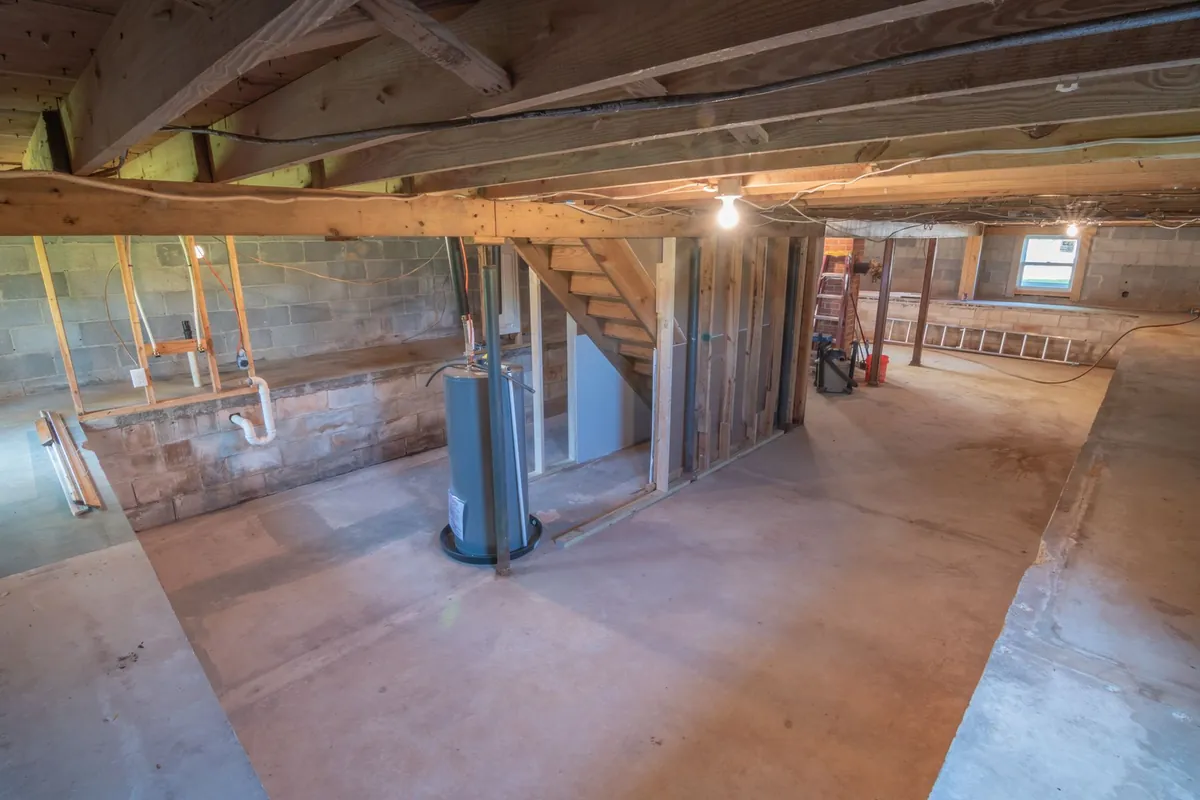
Crawl Space Sewage Cleanup Services in Grosse Pointe
Your service removes Category 3 black water, solid waste and contaminated materials from beneath the home. The affected area is cleaned, disinfected and dried after a plumber, utility or other appropriate party stops the flow.
A crawl space can collect sewage from a broken drain, sewer backup, failed ejector pump or septic component. The assessment traces liquid across soil, gravel, vapor barrier and nearby supports. It also checks wet insulation, pipe exteriors, duct surfaces and stored contents. Access height, hidden utilities and the route into your home shape the work area and equipment plan.
Standing liquid and solid waste are extracted before the detailed cleaning process begins. Fiberglass insulation, cardboard, damaged vapor barrier and other absorbent materials are removed when effective treatment is not possible. Residue is cleared from reachable framing, masonry, pipes and other sound surfaces. An EPA-registered disinfectant is then applied to cleaned surfaces for the full contact time stated on its label.
Drying follows removal and disinfection. Air movement and dehumidification reduce moisture in the remaining structure, while odor work starts with the sewage source rather than fragrance. Your scope identifies cleanup and waste disposal separately from restoration services such as plumbing, electrical or structural repairs. The completed area receives a final check for debris, visible moisture and remaining odor.
- Standing sewage and solid waste extracted
- Wet insulation and porous debris removed
- Reachable framing, masonry and pipes cleaned
- EPA-registered disinfectant given full contact time
- Moisture and odor checked before completion
Signs You Need Crawl Space Sewage Cleanup in Grosse Pointe
Sewage beneath a home can affect more than the visible pool. The assessment follows these signs into insulation, soil, building surfaces and air pathways before the cleanup scope is set.
Wet Crawl Space Insulation
Fiberglass batts and other porous insulation can hold contaminated moisture above the visible spill. Material reached by sewage is assessed for removal, along with the framing and surfaces around it.
Sewage on Crawl Space Soil
Wastewater can spread into loose soil, gravel and low spots beneath debris. Surface spraying cannot remove pooled sewage or affected loose material, so the work follows the depth and boundaries found during inspection.
Sewage Odor Inside the Home
Odor entering through gaps, pipe openings or duct pathways can indicate contaminated material or moisture remains below. Source removal and drying take place before treatment of any residual odor.
Failed Ejector Pump or Septic Component
A failed pump, tank connection or pipe can leave waste in a confined area. The affected crawl space is assessed after repair, including surfaces and contents beyond the equipment itself.
Sewage Backup Under the House
A blocked main line or overloaded system can push Category 3 black water into the lowest part of your property. Standing liquid, residue and affected materials require controlled removal after the backup stops.
Broken Crawl Space Sewer Line
A cracked or separated drain can release wastewater onto soil, plastic sheeting and nearby supports. Cleanup begins after the pipe is repaired and addresses the area reached by the discharge.
How Crawl Space Sewage Cleanup Works Across Greater Detroit
Your cleanup process moves from safe access and assessment through extraction, material removal, surface treatment and drying. Cleanup technicians follow sewage through the affected areas beneath your home, with air quality work and repairs kept separate within the remediation process.
Crawl Space Sewage Assessment
The first conversation establishes the source, property access and known conditions. Inspection from safe access points maps standing liquid, affected materials, utilities and adjoining surfaces, then defines the professional cleanup scope and price before work starts.
Crawl Space Containment and Protection
The access route receives floor protection, and the affected area is separated from occupied rooms. Protective equipment and ventilation controls are selected for Category 3 contamination, hazardous materials and the crawl space conditions.
Sewage Water and Waste Extraction
Standing black water and solid waste are removed with equipment suited to contaminated liquid. Low spots, debris and edges around supports are included so later cleaning can reach the affected surfaces.
Wet Insulation and Debris Removal
Sewage-soaked insulation, cardboard, damaged vapor barrier and other porous items that cannot be effectively disinfected are contained at the work area. Hazardous waste leaves through the protected route for disposal under the applicable rules.
Crawl Space Soil and Surface Cleaning
Affected loose soil and debris are addressed according to the conditions found. Reachable framing, masonry, pipe exteriors and other cleanable surfaces are washed to remove residue before disinfectant is applied.
Disinfection With Full Contact Time
An EPA-registered disinfectant is selected for the intended surface and organisms. Label directions govern dilution and application, and cleaned surfaces remain wet for the full stated contact time.
Crawl Space Drying and Odor Treatment
Air movement and dehumidification reduce remaining moisture after contaminated sources are gone. HEPA filtration can capture particles during work, while residual odor treatment is selected separately for the area and materials that remain.
Final Crawl Space Cleanup Check
The completed scope is inspected for remaining debris, visible moisture and odor. You receive an explanation of what was removed, which materials remain and any plumbing, electrical or structural repairs needed before the space returns to use.
Why Choose Detroit Biohazard for Crawl Space Sewage Cleanup in Grosse Pointe
Calls Answered 24/7
One number starts your assessment across the metro, including nights and weekends.
Discreet Crawl Space Cleaning
Crews arrive in unmarked vehicles, with access arranged around your home and occupants.
Removal Through Drying Checks
Every step in the cleaning service follows contaminated material through source removal, moisture control and final inspection.
Cleaning Before Disinfection
Residue is removed before an EPA-registered product receives its full labeled contact time.
Protection for Occupied Rooms
The access route and work zone are separated so tools, hoses and contained waste stay away from clean areas.
Before Crawl Space Sewage Cleaning in Wayne County
Your call can begin from outside the access opening, without entering the contaminated area.
- Restricted Crawl Space Access. Children, pets and other occupants remain away from the opening while the affected area and removal route are established.
- Source Repair Before Cleanup. A plumber, utility or other appropriate party stops the sewage flow before removal and cleaning proceed.
- Electrical Conditions Assessed. Wiring, outlets and mechanical equipment near the spill are considered before technicians enter or use extraction equipment.
Crawl Space Sewage Cleanup Cost in Grosse Pointe
Published figures describe sewage jobs generally, not a crawl-space-only price. Your scope depends on access height, affected area, wet insulation, soil conditions, drying and waste volume. The cards retain their original national units and sources, while the assessment establishes the work and price for your property before cleanup begins.
Category 3 sewage
$2,500 to $10,000 per jobSource: BioCleaners Directory, Biohazard Cleanup Cost Guide (2026)What Changes Crawl Space Sewage Cleanup Cost in Grosse Pointe
- Crawl space height and the access route
- Wet insulation, vapor barrier and debris removal
- Drying, dehumidification and odor treatment
- Sewage spread into soil, framing or duct materials
- The square footage and depth of sewage
- Waste packaging, transport and disposal needs
Your Crawl Space Assessment and Cleanup Price
These published national ranges are planning figures. Your assessment establishes the work and price before cleanup begins, including any separate repair needs.
Call (888) 440-9227 about costCrawl Space Sewage Cleanup Service Area Across Greater Detroit
Your assessment and cleanup can be arranged in Grosse Pointe and nearby communities through one number, 24/7.
Crawl Space Sewage Cleanup in Locations Near Grosse Pointe
Crawl Space Sewage Cleanup in Grosse Pointe: Frequently Asked Questions
Why can sewage odor remain after water extraction?
Water extraction does not remove contamination inside insulation, damaged duct liner, debris or wet soil. Residue and moisture can also remain on framing or in low areas. The assessment traces those sources and air pathways into the home. Contaminated materials are removed and the area is dried before remaining odor receives separate treatment.
What changes the cleanup price in Wayne County?
Price depends on affected square footage, sewage depth, crawl space clearance and the removal route. Wet insulation, damaged vapor barrier, contaminated soil, drying needs and waste volume also change the scope. The published cards show general national sewage ranges with their units and sources, while your assessment establishes the property-specific work and price.
How long does sewage cleaning take in Grosse Pointe?
The schedule depends on access, the amount of liquid and the materials reached. A clear area with reachable hard surfaces differs from low clearance, wet insulation or affected soil. Drying continues according to moisture conditions after removal and disinfection. Plumbing, electrical and structural repairs follow their own schedules outside the remediation work.
Can you stay in the house during crawl space cleaning?
You may be able to remain in occupied rooms when the crawl space opening, work zone and removal route can be separated from living areas. The layout, ventilation and extent of contamination determine whether that is practical. Access restrictions and any need for time elsewhere are established during the property assessment.
What is included with crawl space sewage cleanup near me?
Your job includes assessment, work-zone separation, contaminated water extraction, solid waste removal and disposal of porous material that cannot be treated. Reachable hard surfaces are cleaned and disinfected, then the remaining structure is dried. Odor treatment follows source removal, while plumbing, electrical and structural repairs are identified separately.
Does insurance cover sewage beneath a home in Michigan?
Possible coverage depends on the cause of loss, policy terms, exclusions, limits and deductible. A sewer or drain backup endorsement may apply to some events, while flood, groundwater or maintenance causes can receive different decisions. The insurance company determines coverage, and payment for cleanup may differ from payment for pipe or building repairs.
Does sewage-contaminated crawl space insulation need removal?
Insulation that absorbed sewage generally requires removal because treatment cannot reliably reach the full depth of a porous material. The same concern applies to cardboard, fabric, damaged vapor barrier and absorbent duct liner. Sound framing, masonry and pipe exteriors may remain when residue can be removed and all affected surfaces are accessible.
How is sewage removed from crawl space soil?
Standing liquid and solid waste are extracted before loose debris and visibly affected soil are addressed. The work follows pooled areas and low spots rather than relying on surface spray. Nearby supports, masonry and utility exteriors are cleaned where reachable, then treated and dried according to the materials and moisture conditions found.
Crawl Space Sewage Cleaning and Insurance in Michigan
Coverage depends on the cause of the loss and your policy terms, exclusions, limits and deductible. A sewer or drain backup endorsement may apply, while groundwater, flood events or maintenance issues may be treated differently. Insurance companies determine coverage, and cleaning services may receive a separate decision from plumbing or structural repairs.
Crawl Space Sewage Risks and Controls in Michigan
Category 3 black water, limited access and hidden utilities create health risks that require a separated work zone, protective gear and careful entry. The cleanup involves controlled removal that reduces contact with sewage and limits tracking into surrounding areas.
Category 3 Sewage Exposure
Raw sewage can contain harmful microorganisms, while confined entry also presents splash, sharp-object and slip hazards.
Moisture and Mold Growth
The EPA says mold can start growing on wet materials within 24 to 48 hours, so moisture control follows sewage removal.
Protected Access Route
Barriers and floor protection separate tools, hoses and contained waste from clean parts of your property.
Contaminated Crawl Space Materials
Insulation, cardboard, damaged vapor barrier and loose debris can retain waste after standing liquid is gone.
Cleanup scope: A cramped area with raw sewage, poor visibility and hidden utilities requires more than a surface spray. The work addresses contaminated water, porous materials and moisture through the depth found during assessment.
What Crawl Space Sewage Cleaners Remove in Wayne County
Sound, accessible hard surfaces may remain when residue can be removed and effective treatment is possible. Porous materials that absorbed sewage are evaluated for removal.
Cleanable Hard Surfaces
- Sound masonry, framing, pipe exteriors and sealed duct exteriors are assessed for cleaning and disinfection.
Removed Porous Materials
- Wet insulation, damaged vapor barrier, cardboard, fabric and contaminated debris are contained for disposal.
Materials Requiring Separate Assessment
- Swollen wood, absorbent duct liners and electrical or mechanical components are identified for repair or replacement decisions.
Crawl Space Sewage Cleaning Schedule in Wayne County
Your schedule follows access, material removal, moisture conditions and drying checks. Plumbing, electrical and structural repairs can continue on a separate schedule after remediation.
- Accessible Area: Greater clearance and a short removal route reduce setup and movement stages.
- Material and Soil Work: Wet insulation, vapor barrier and affected loose soil add contained removal.
- Drying and Completion: Moisture conditions, final inspection and necessary repairs determine readiness for use.
Crawl Space Sewage Odor Removal Across Greater Detroit
Odor treatment starts with extracting sewage and removing contaminated insulation, debris or affected loose material. Wet building layers and residue left behind are assessed as possible sources before deodorizing begins.
Drying uses controlled air movement and dehumidification suited to the area. HEPA air scrubbers capture particles during work, while residual odor treatment depends on the remaining surfaces, moisture and pathways into your living space.
Crawl Space Sewage Cleaning Requirements Across Greater Detroit
Category 3 Sewage Work Practices
Raw sewage is treated as Category 3 black water, with the affected area separated and contaminated porous materials removed when effective treatment is not possible.
EPA-Registered Crawl Space Disinfectants
Physical cleaning comes before disinfection, and the selected product remains wet for the full contact time on its label.
Sewage Waste Disposal
Sewage-soaked drywall, carpet and pad are bagged and taken to an approved disposal site under local and Michigan rules, so they do not go out with household trash.
Crawl Space Worker Protection
OSHA Bloodborne Pathogens Standard 29 CFR 1910.1030 applies when workers may have occupational exposure to blood or other covered body fluids.
Related Cleanup Services in Wayne County
Start Your Crawl Space Sewage Cleanup in Grosse Pointe
Calls are answered 24/7. Your assessment establishes the affected materials, access arrangements and cleanup scope before work begins.